

Drip Irrigation
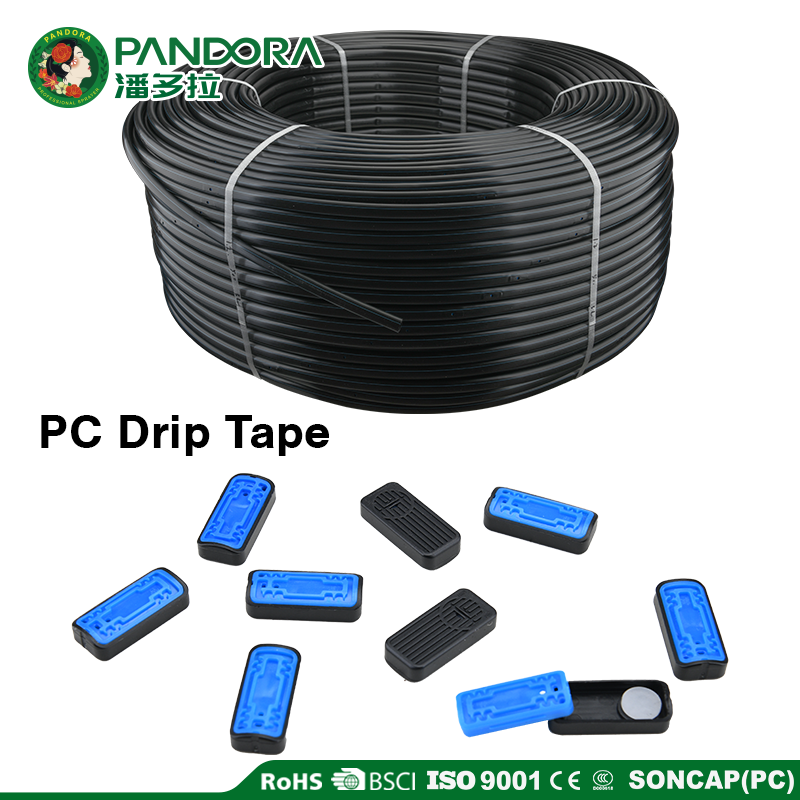
Pressure Compensating Drip Tape
Model: CZ-PC Series (16 mm)
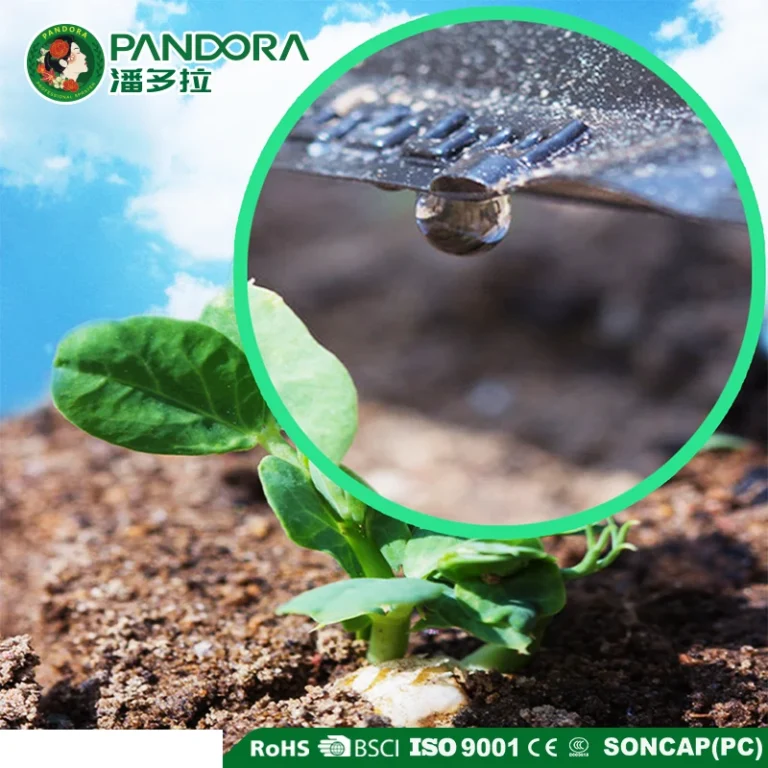
On sloped ground and long laterals, ordinary drip tape delivers a different dose at every emitter: the low end over-waters while the high end goes dry, and no runtime change fixes both at once. This series holds every emitter close to its rated 2.0 L/h across the pressure window, so one irrigation block behaves like one block instead of several mismatched ones.
- Diameter
- 16 mm
- Wall thickness
- 0.6 / 0.8 / 1.0 / 1.2 / 1.5 mm
- Emitter spacing
- 20 – 100 cm (standard increments; other spacings on request)
- Nominal flow rate
- 2.0 L/h per emitter
- Filtration requirement
- 120 mesh (approx. 125 micron) recommended
How pressure compensation works inside the emitter
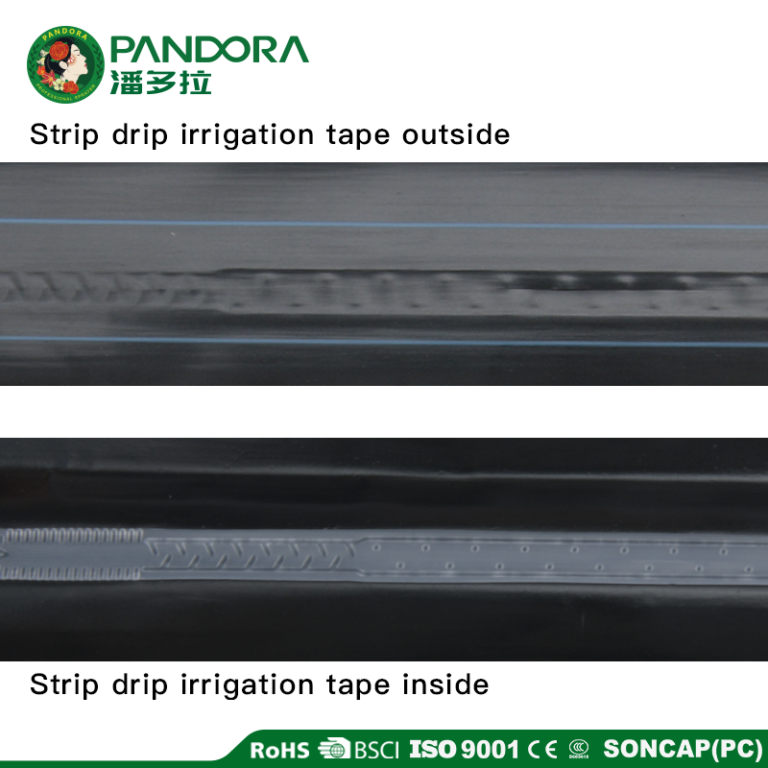
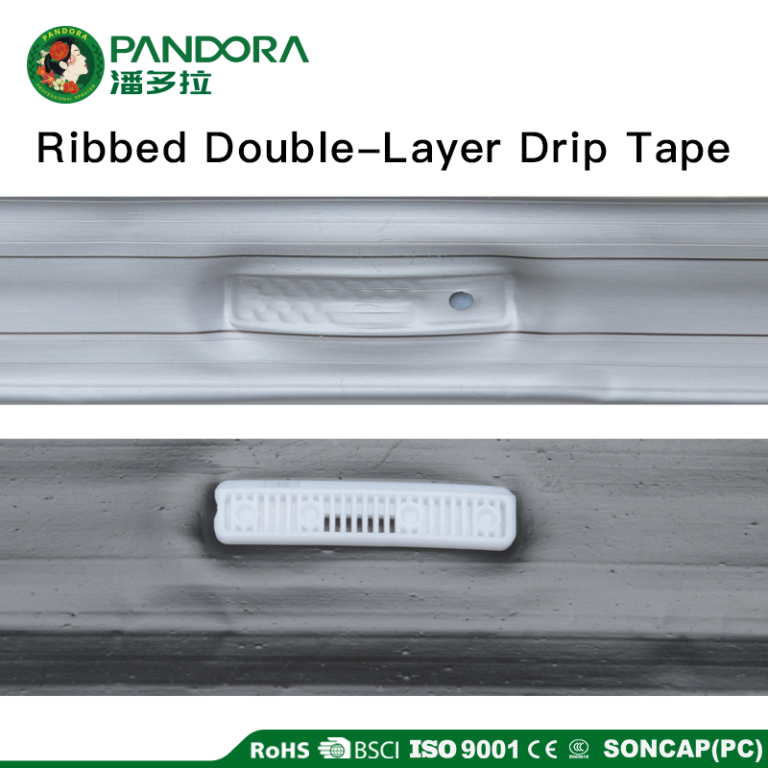
Each emitter contains a silicone diaphragm sitting across the flow passage. As line pressure rises, the diaphragm compresses and narrows the passage; as pressure falls, it relaxes and opens.
In a non-compensating labyrinth emitter, discharge varies with the square root of pressure. A 5-meter elevation drop adds roughly 0.05 MPa along a lateral; on a line rated at 0.10 MPa, the low end over-applies water by more than 20 percent while the high end falls nearly 30 percent short. Extending the irrigation run does not fix this — it drowns one end while the other is still dry.
The diaphragm absorbs that pressure difference inside each emitter. Uniformity stops depending on terrain and becomes a property of the product. The same holds along level runs: friction loss grows with every meter of line, so a long lateral behaves like a gentle slope even on flat ground — wherever pressure varies along the line, a PC emitter keeps dosing steadily.
Filtration and flushing
Water should pass roughly 120-mesh (about 125 micron) filtration before reaching the laterals. Particles that a plain labyrinth channel would merely score can hold a diaphragm partially open and shift its compensation point — this shows up as gradual, hard-to-diagnose unevenness rather than a visible blockage.
- Flush laterals at start-up, at the end of each fertigation cycle, and before any shutdown longer than a few days.
- Run the line ends until the water clears.
- On reservoir- or channel-fed systems, check screen filters on a fixed schedule — a torn screen passes debris straight into the emitters.
Sizing and layout
How long a lateral can run depends on three things together: diameter, emitter spacing, and available inlet pressure. Halve the spacing and you roughly double the emitters per meter, which shortens the practical run length at the same pressure.
Rather than quote a single maximum length that will not hold across spacings, we size laterals per project. Send the field dimensions, the slope and your inlet pressure, and we will return block sizes, lateral lengths and head equipment.
Installation tips
- Lay the tape with the emitter outlet facing up — face-down laying invites root intrusion and sediment entry.
- Do not drag the tape over stones or stubble under tension; abrasion damage shows up as leaks in the first irrigation.
- At season end, flush, drain, and retrieve on reels. Multi-season lines should spend winter as un-pressurised as possible.
- Tape exposed to sunlight for a full off-season degrades measurably faster than tape stored under cover.
Wall thickness selection
Wall thickness is a service-life decision, not a quality grade:
| Wall | Typical service | Notes |
|---|---|---|
| 0.6 mm | Single season, surface | Annual rotation crops, tape retrieved and discarded |
| 0.8 – 1.0 mm | Two to three seasons | Retrievable surface laterals, careful handling |
| 1.2 mm | Multi-season | Rocky or abrasive ground, mechanical traffic nearby |
| 1.5 mm | Subsurface / permanent beds | Buried installation, longest service expectation |
Wholesale supply from the source factory
- Mixed wall thicknesses and emitter spacings in one container load.
- Spare-fitting packages sized to the order, so lines can be serviced without waiting for a replacement roll.
- Sample rolls for bench testing before commitment.
Send us your target specification and we will confirm roll lengths, loading quantities and lead time.
Built for Real Work
Applications
Agriculture
Vegetable Farming
Orchard
Greenhouse
Tea Plantation
Garden Maintenance
Landscape Care
Pest & Weed Control
OEM & Customization
Custom Manufacturing
Looking for OEM/ODM Customization Services?
Empower your own brand with Pandora's flexible OEM solutions. From custom machine colors and logo printing to retail-ready packaging and specific accessory configurations (pumps, nozzles, batteries), we provide factory-direct support to make your products stand out in the local market.
Explore Custom Solutions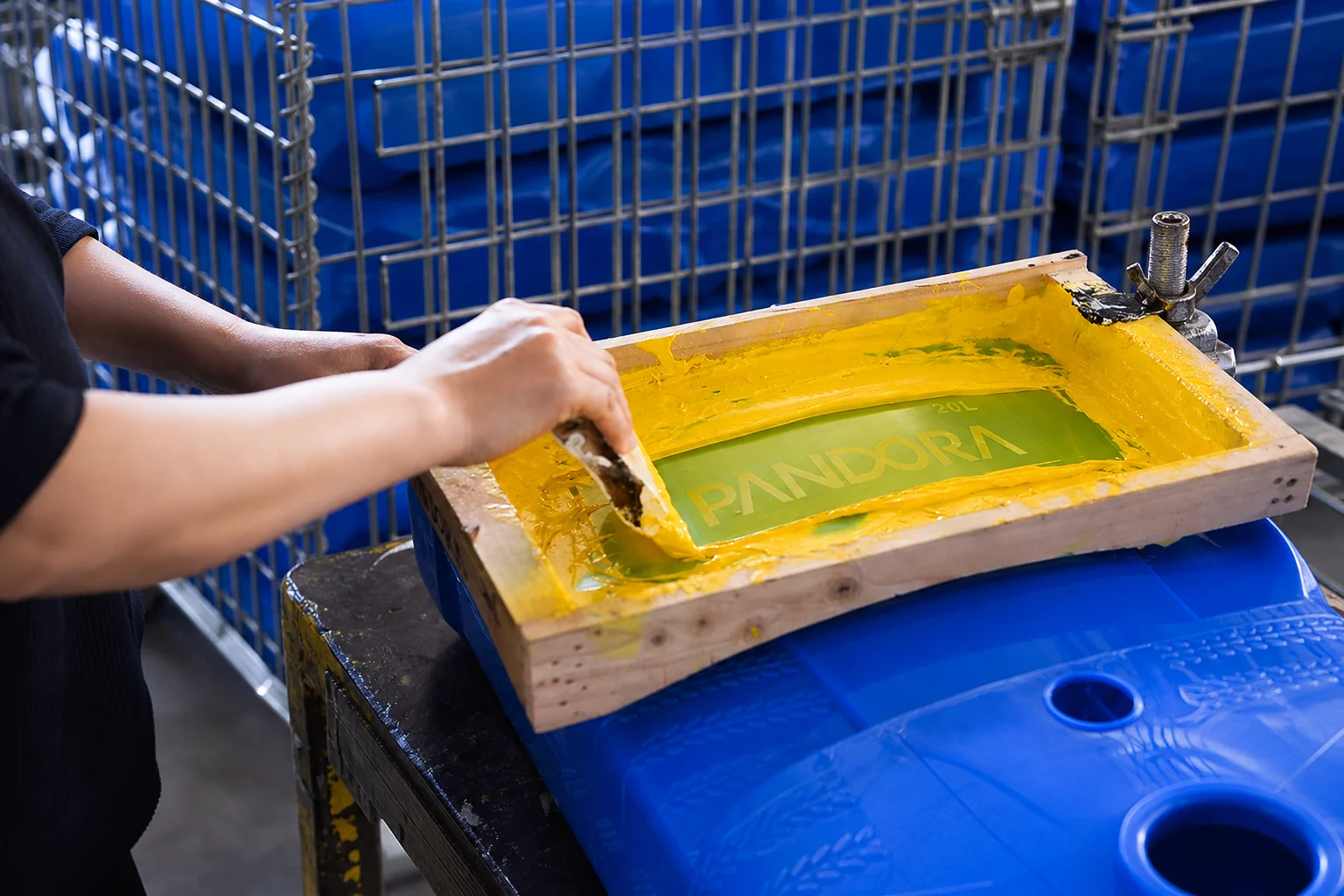
Manufacturing Partner
Why Choose Pandora
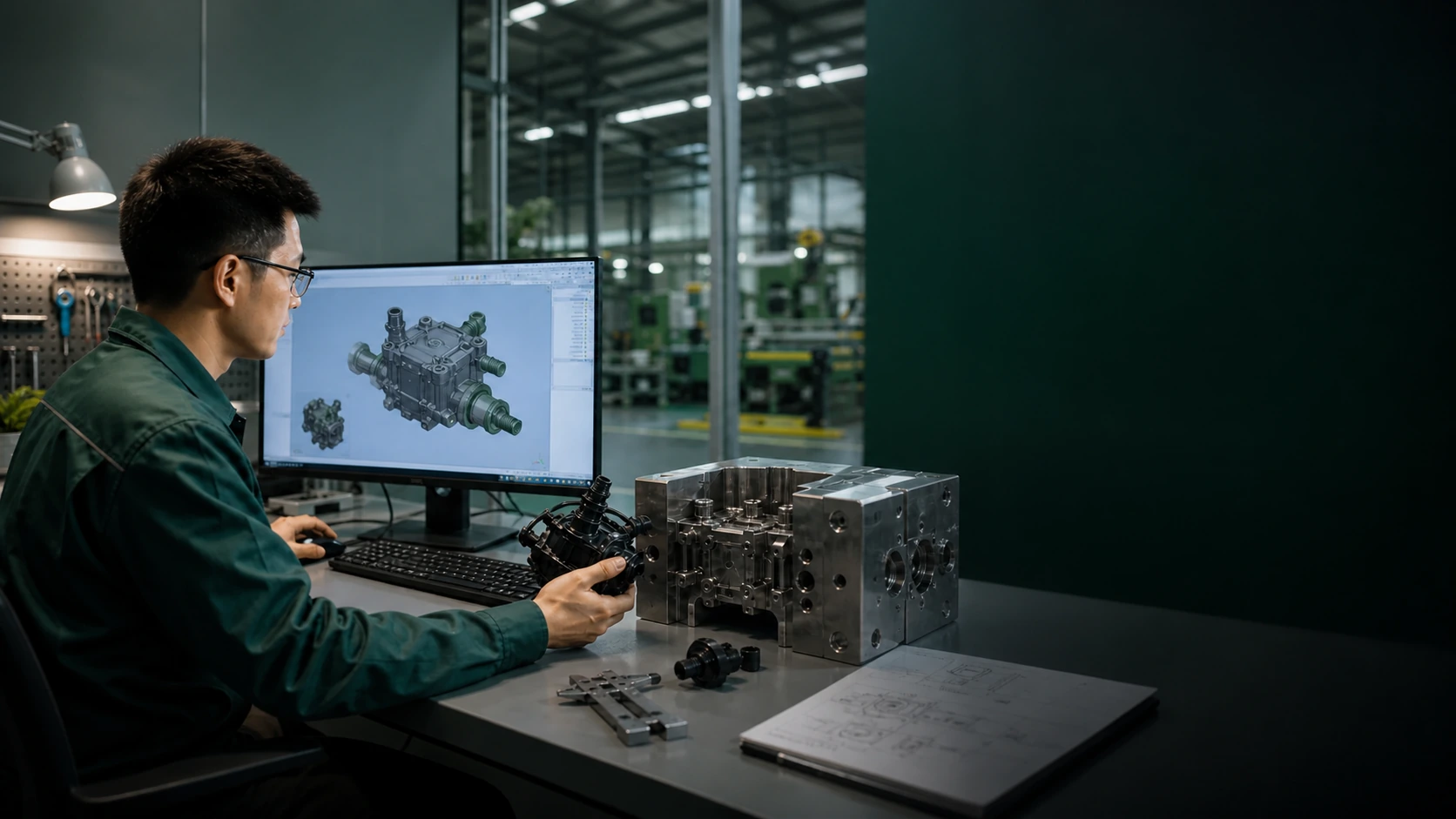
Professional sprayer manufacturer with years of OEM experience
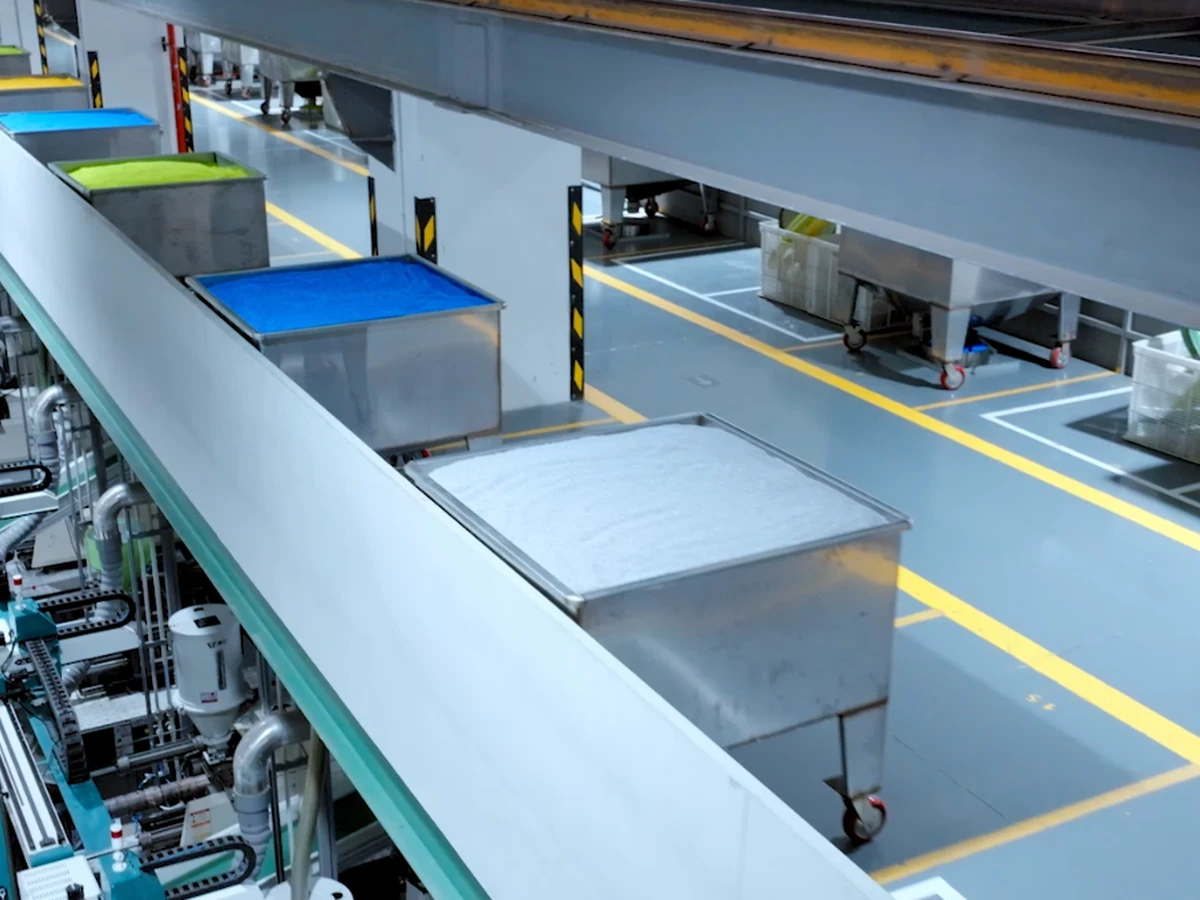
Stable production capacity for large-volume orders
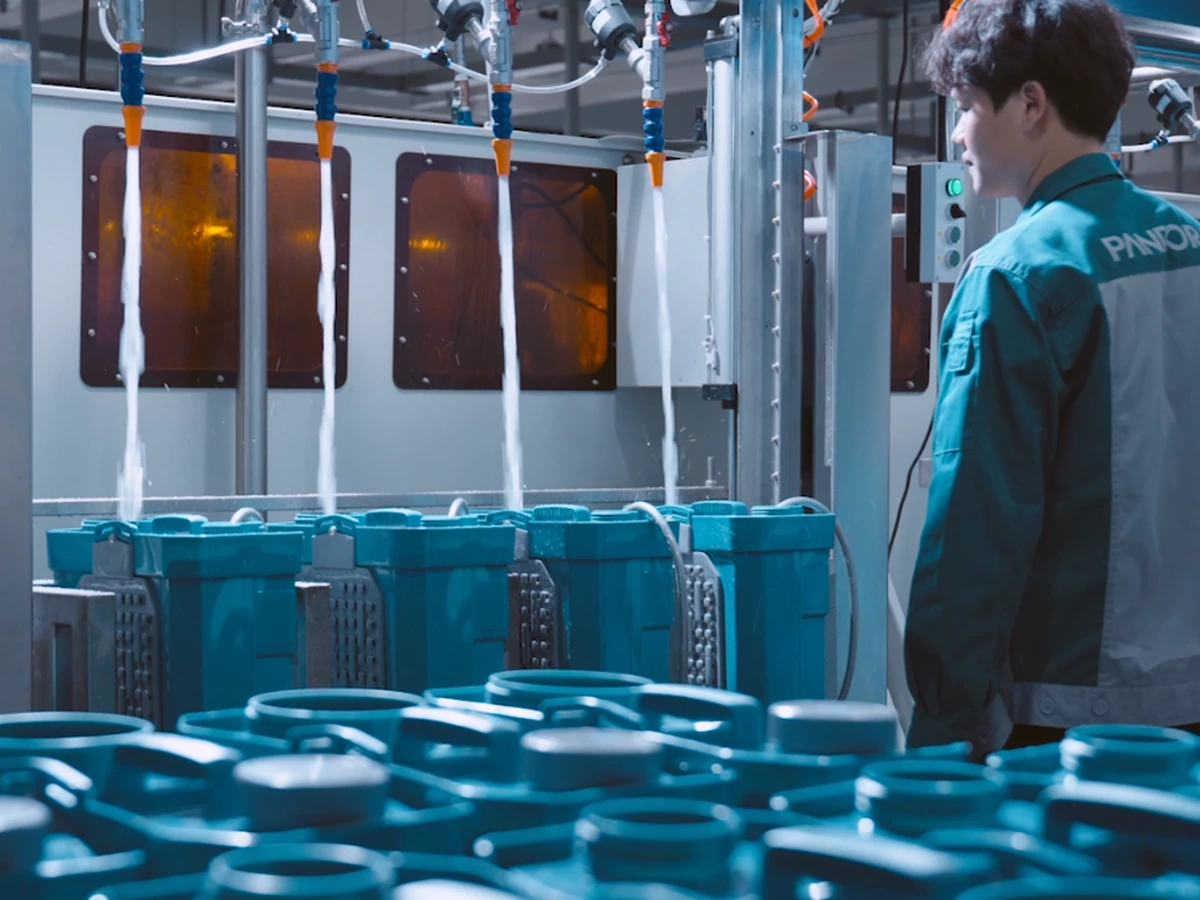
Strict quality inspection throughout production
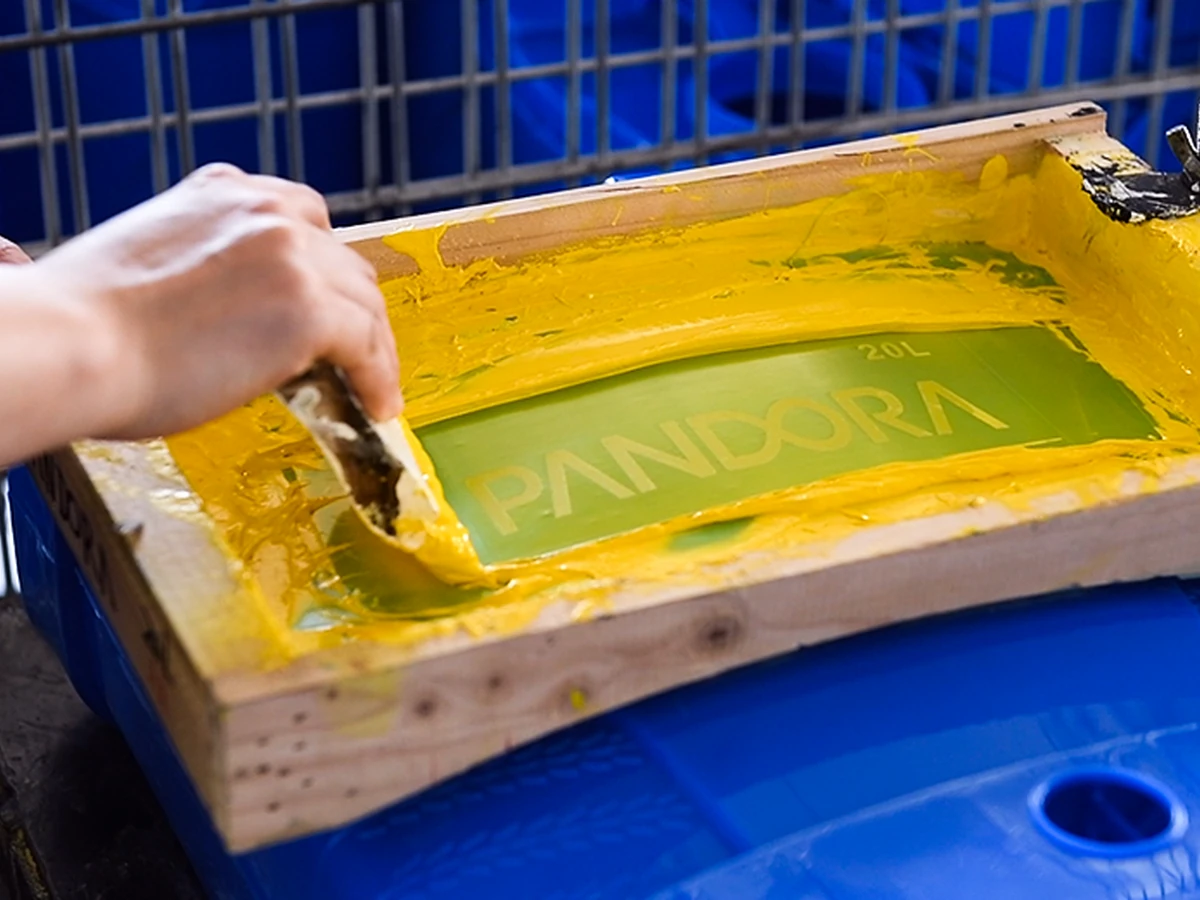
Flexible product customization

Reliable delivery and export support
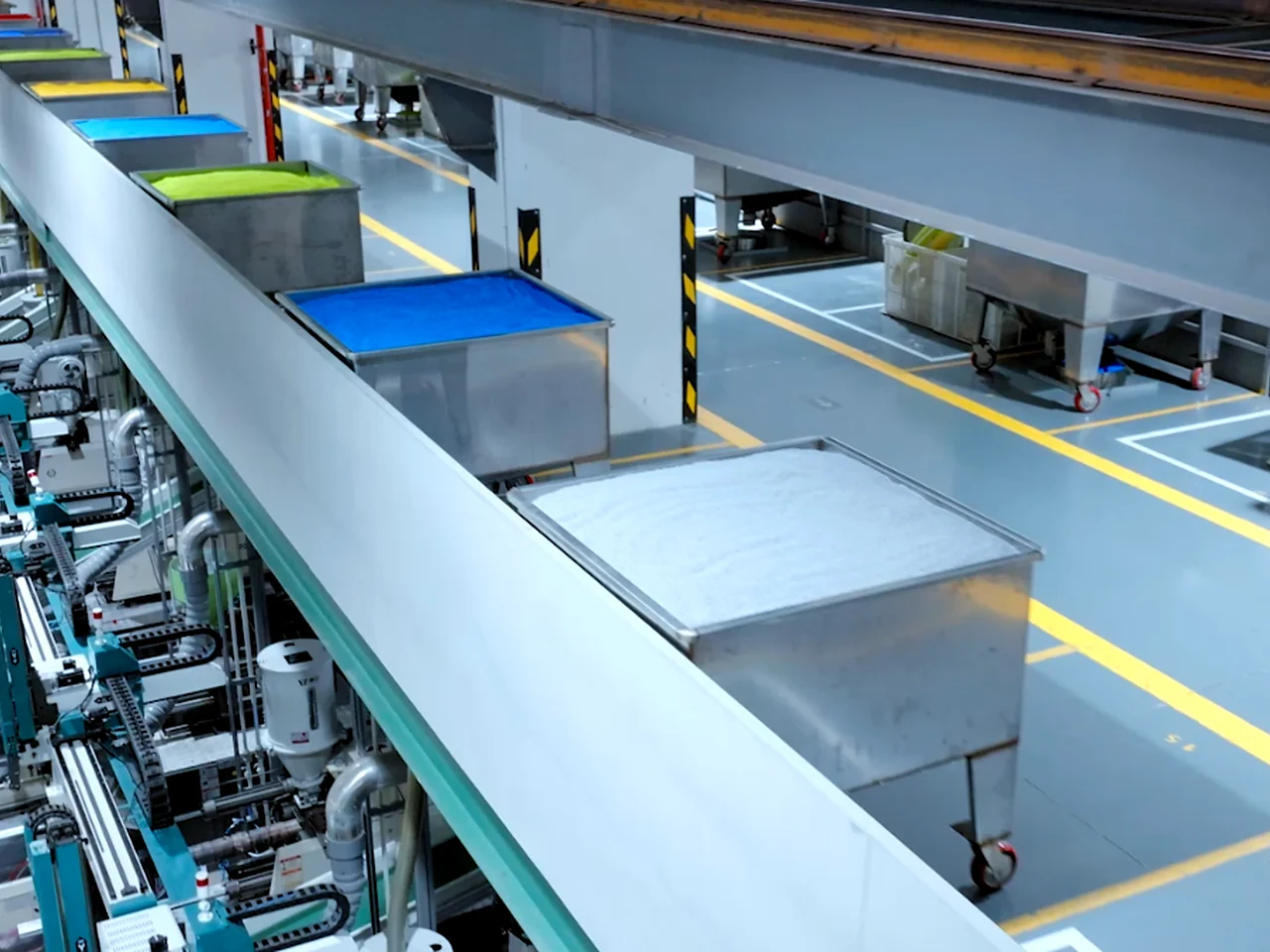
Complete spare parts supply
Dedicated technical and sales support
FAQ
What is the difference between pressure compensating drip tape and ordinary drip tape?
In ordinary tape, emitter flow follows line pressure: it drops along the run and with elevation loss, so emitters near the head apply more water than those at the far end. In pressure compensating tape, a silicone diaphragm inside each emitter absorbs the pressure change and holds flow near the rated output. The difference shows up wherever the ground is not flat or the lateral is long.
What filtration does pressure compensating drip tape require?
Roughly 120-mesh (125 micron) filtration before the laterals, plus periodic flushing. The diaphragm chamber is a precision clearance; particles that a plain labyrinth emitter would tolerate can hold a diaphragm partially open and shift its compensation point, producing unevenness that is easy to misread as a design fault.
Can pressure compensating drip tape be buried?
Yes — use the heaviest wall thickness in the range for subsurface installation. Buried laterals need a flushing manifold at the low end and root-intrusion protection at the emitter outlets. Compensation is particularly useful underground, because pressure deviations there are invisible from the surface until the crop shows them.
Related Products
Direct Factory Support
Ready to Partner with Us?
Share your purchasing target or custom needs. Our dedicated technical team will prepare complete product matching and competitive factory quotation support for your project.
- Product Matching
- OEM/ODM Support
- Export Coordination