Drip Irrigation


Compare PANDORA drip irrigation tape by emitter construction, diameter, wall, spacing and flow. Choose a model from the catalog and use the comparison table to specify a sample roll and its matching parts.
Drip Irrigation
Drip Irrigation
Drip Irrigation
Drip Irrigation
Drip Irrigation
Build Your Brand with PANDORA
Empower your own brand with Pandora's flexible OEM solutions. From custom machine colors and logo printing to retail-ready packaging and specific accessory configurations (pumps, nozzles, batteries), we provide factory-direct support to make your products stand out in the local market.
Explore Custom Solutions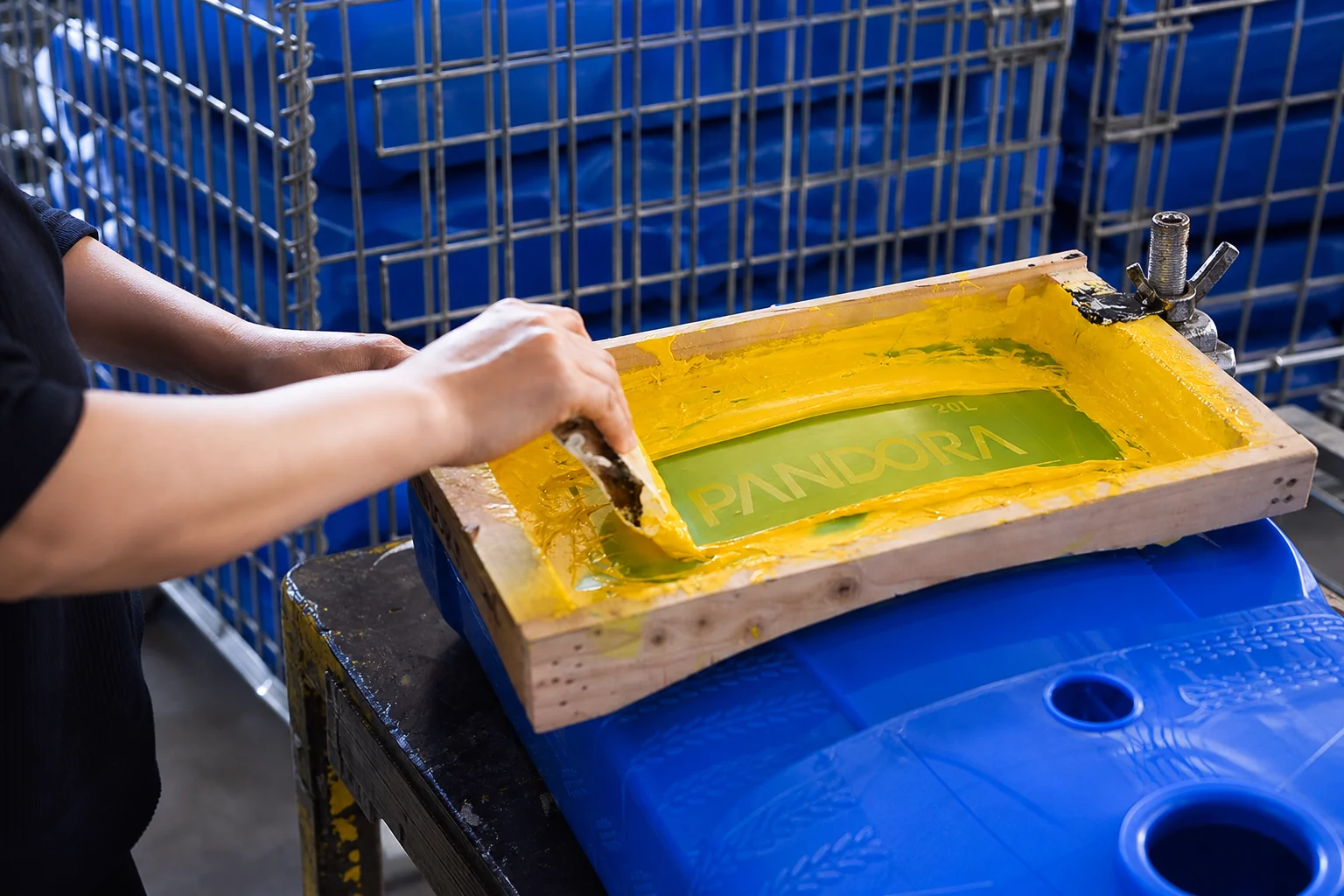

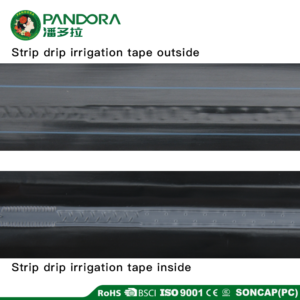

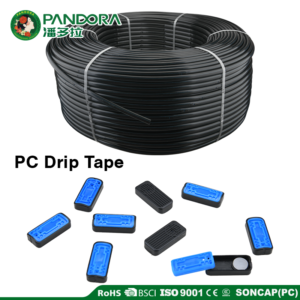
Quoted values should identify the test pressure, because a flow rating alone cannot tell you how a tape will behave along a long or sloping row. At the same flow per emitter, a shorter emitter spacing increases the number of outlets per meter and raises zone demand. Choose wall thickness by how the tape will be laid, protected and retrieved. Check Penn State Extension's drip irrigation guide for the relationships among tape dimensions, filtration and field layout.
Send crop and bed spacing, lateral length and elevation, pressure and flow available at the inlet, water source and known solids. Include tape diameter, wall, spacing and flow as separate fields. For example, a sample request can specify 16 mm outside diameter class, 0.20 mm nominal wall and 30 cm emitter spacing as three distinct inputs, then ask which models support the desired flow and working pressure. The example is an RFQ format, and available combinations need confirmation.
Ask for the roll length, number of rolls per carton or pallet, labeling and fittings for the selected diameter and wall. Compare a test roll at the intended pressure, confirm a connector seals at the header, and measure output near the inlet and far end. The reinforced wall guide and pressure compensation guide cover those two design decisions in more detail. Use the irrigation catalog or send a drip tape inquiry.
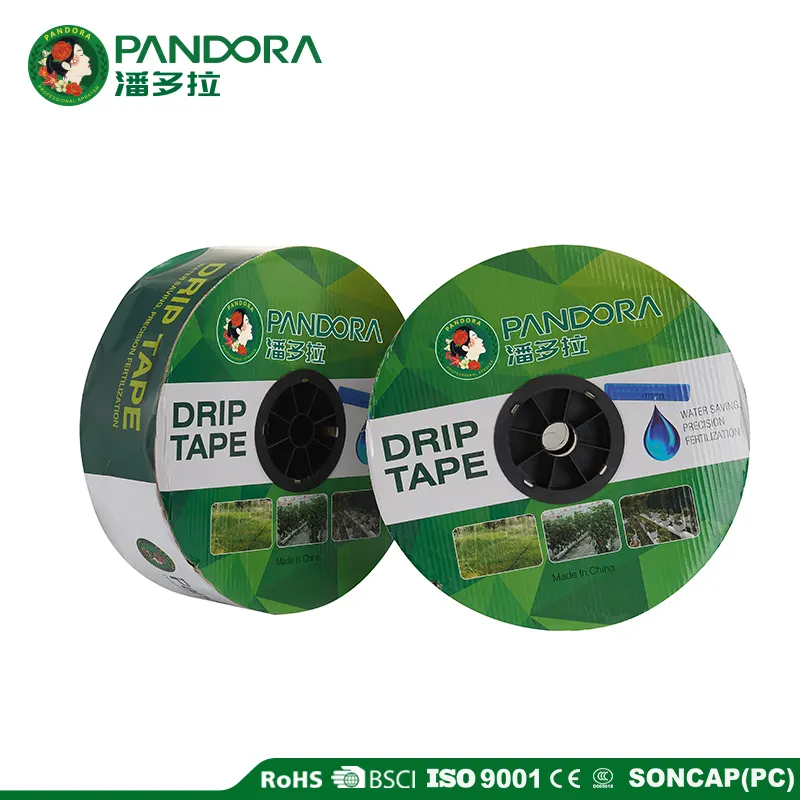
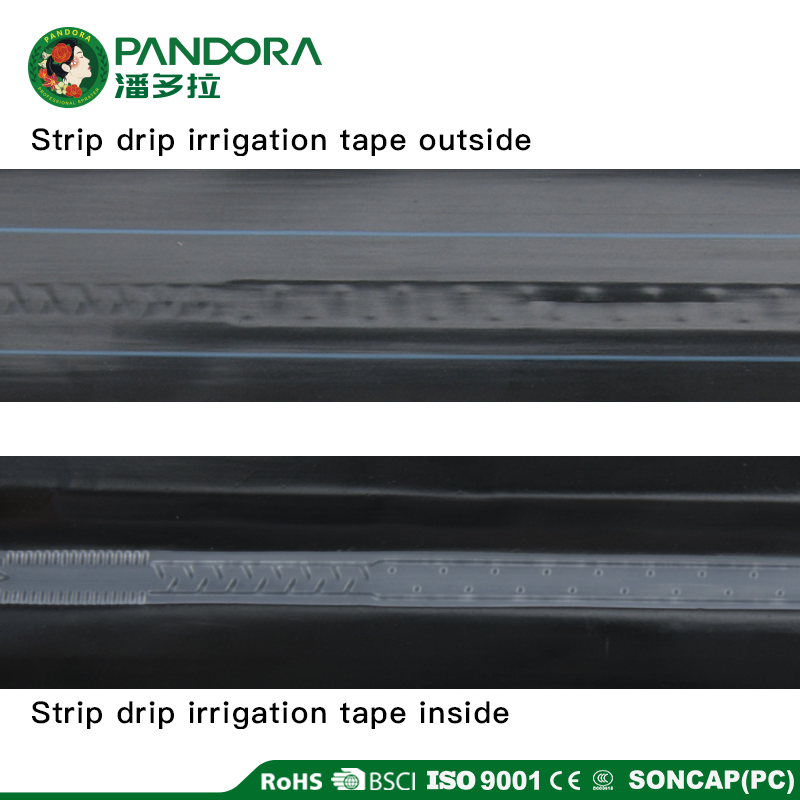
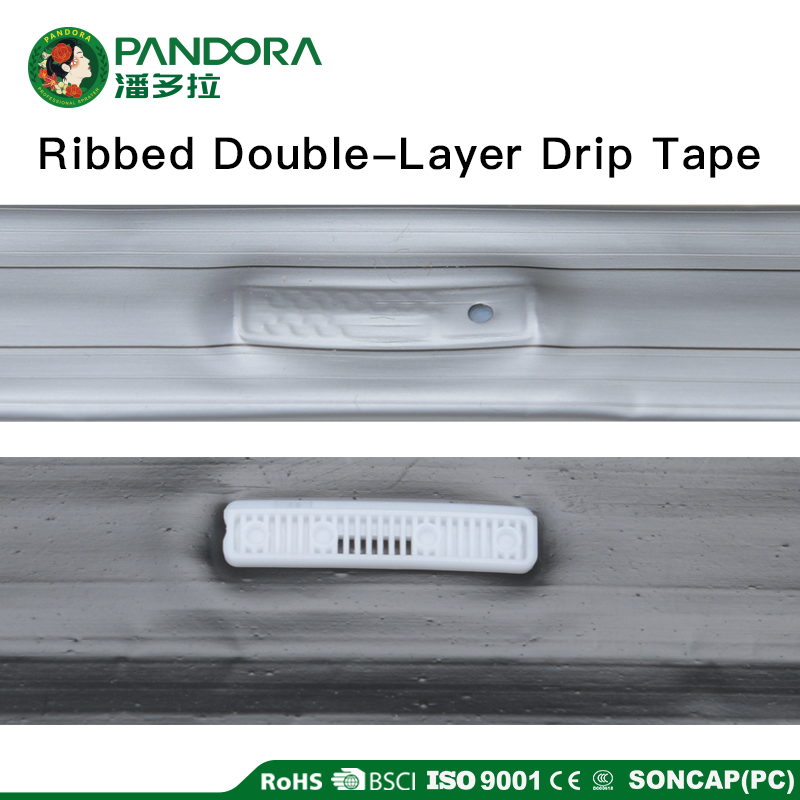
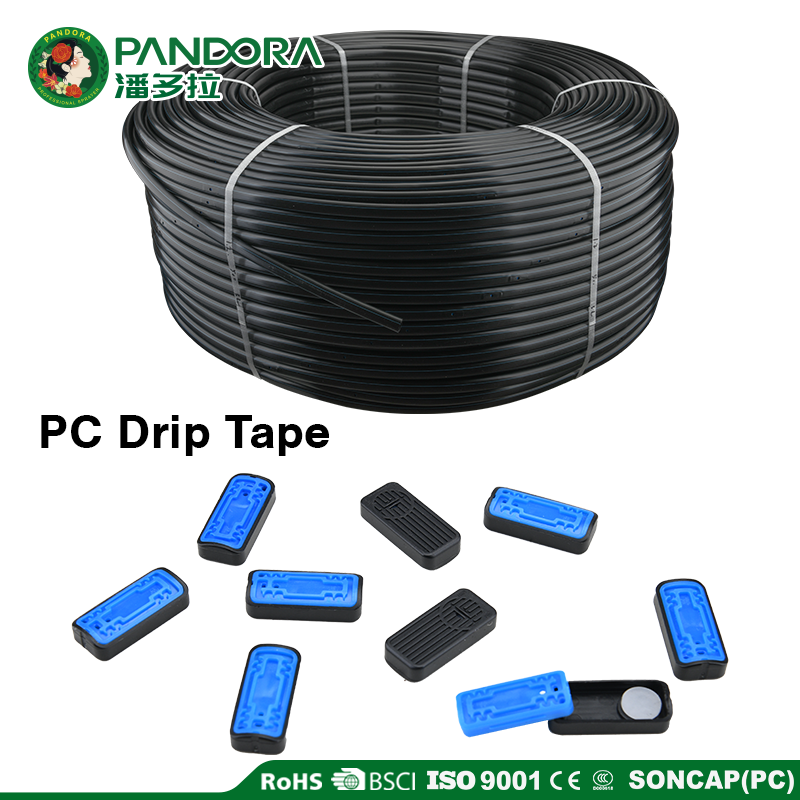
The catalog lists labyrinth, inlaid patch, molded strip, reinforcement rib and pressure-compensating tape. Each construction has its own specification, so compare the linked model before selecting a test roll.
Use the crop, root zone and soil wetting pattern. Check the total flow with your emitter count and validate soil coverage on a representative bed before fixing the spacing.
Wall thickness influences how the tape handles installation and retrieval. Compare sample rolls on the intended equipment and check the condition of the ground before selecting a wall.
Use diameter, emitter flow and spacing, inlet pressure, elevation change and the variation in flow the crop can tolerate. Request a table for the exact tape instead of assuming one universal maximum.
Consider it for runs where elevation or length creates meaningful differences in pressure. Use the specific emitter's working window and confirm the result in a pilot.
Quote the water source and the filter opening in microns or mesh. Confirm the manufacturer recommendation for the specific emitter, including the listed CZ-PC guidance if that is the model selected.
Confirm both tape and head-line connections. Diameter gets the shortlist started, then an assembled sample verifies the grip, shut-off and seal.
Provide the model or specification, destination, test length, estimated production quantity and packaging needs. Ask for separate sample and production pack details.
Tell us how the tape will be installed and retrieved. Use a pilot to check both field wetting and the physical fit with the laying setup.
Keep the manufacturer's storage guidance with the stock, and label by model, diameter, wall, spacing, flow and roll length. Keep different specifications identifiable when cartons are opened.