

Drip Irrigation
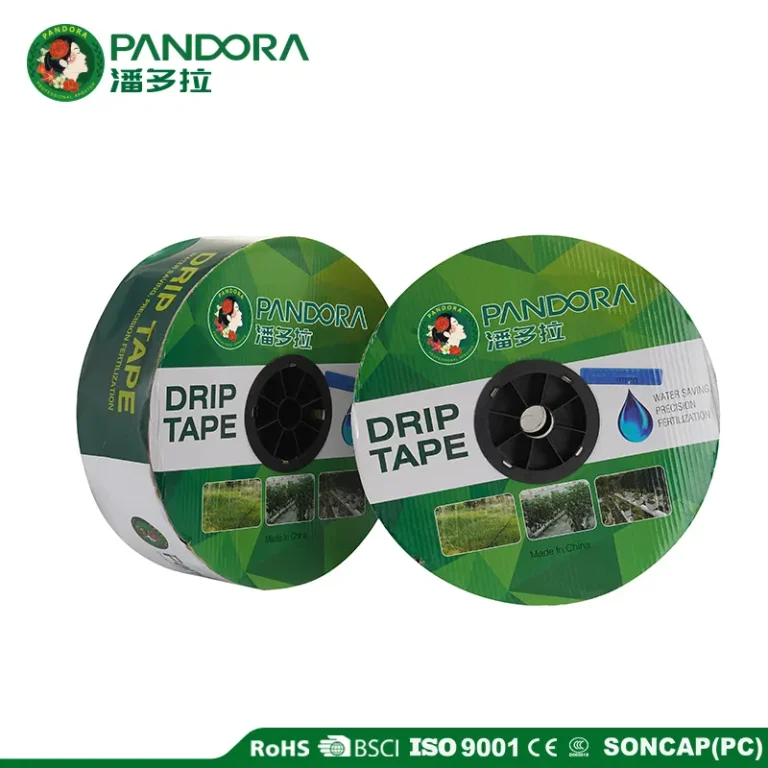
Reinforcement Rib Drip Tape
Model: CZ-RB Series (16 mm)
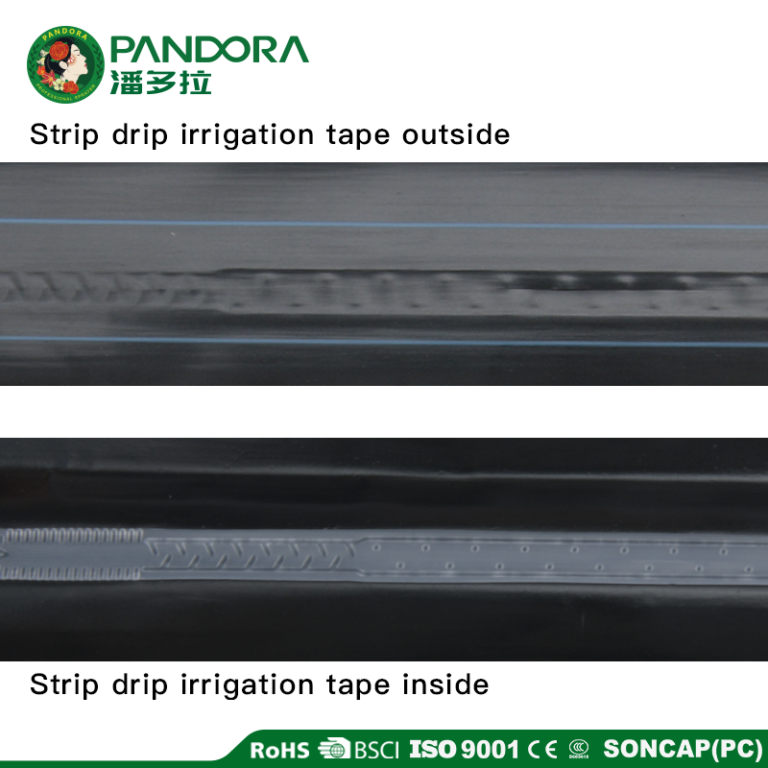
Thin-wall drip tape wins on price per metre and loses on laying day: it stretches under reel tension, scuffs on stubble, and a localised load can split a single-wall tape at one spot. The reinforcement rib range was built around that failure pattern — a double-layer wall in which the inner layer carries water and the ribbed outer layer carries load, formed together in one pass.
- Diameter
- 16 mm
- Wall thickness
- 0.15 – 0.6 mm (6 – 24 mil)
- Emitter spacing
- 10 – 100 cm (standard increments; other spacings on request)
- Nominal flow rate
- 1.0 – 4.0 L/h per emitter
- Structure
- Double layer with reinforcement ribs, formed in one pass
How the double-layer structure is built
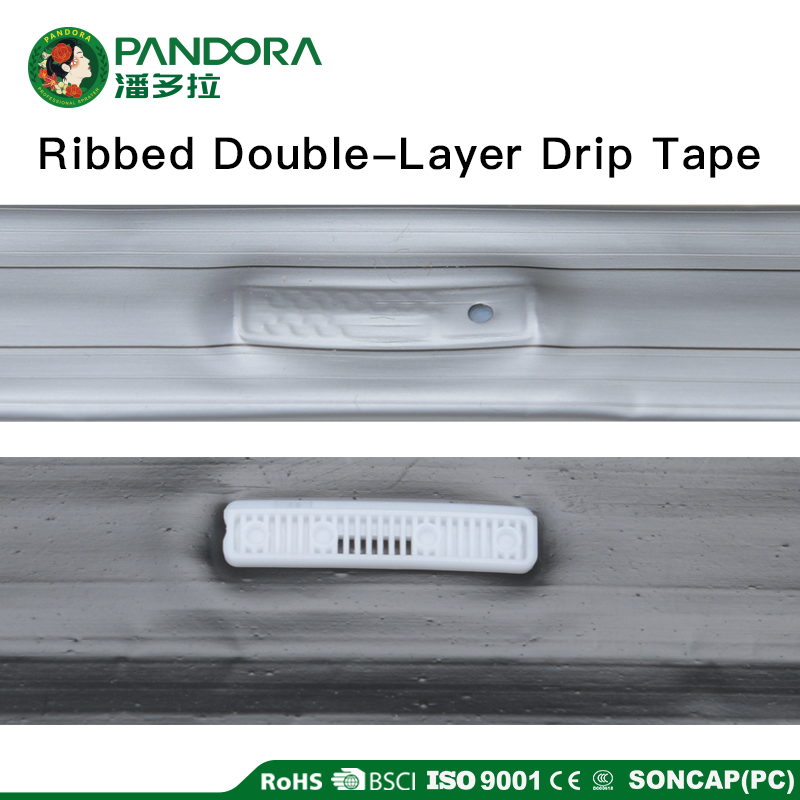
The inner wall carries the water. The outer layer carries the load, and reinforcement ribs run along it, formed together with the tape in a single pass — the layers come off the line as one wall, not as a sleeve fitted over a thinner tube.
That single-pass construction matters for how the tape ages. A laminated sleeve that separates in the field fails at the interface; a wall formed as one piece has no interface to fail.
The ribs work as a skeleton: they spread a local load along the pipe axis instead of letting it concentrate on one spot. A stone under the line or a tension point at the reel becomes a distributed load rather than a burst site. That is why a thinner wall can carry the same working load — and why the grams saved on the wall come back as more metres per roll and more rolls per container.
What the ribs do, in order
- Carry the load. The ribs form a longitudinal frame, so the wall between them is supported rather than self-standing.
- Spread the stress. Local pressure is distributed along the pipe, which is what reduces localised deformation and burst sites.
- Hold strength over the season. Stretch, ageing and abrasion resistance sit in the ribbed outer layer — the working surface that meets the ground, the reel and the weather.
Reading the wall thickness in mils and millimetres
International buyers read drip tape thickness in mils; university extension guidance puts common tape between 4 and 20 mil, with 8 to 10 mil the most common on vegetable farms. The specification table lists both units side by side.
When comparing quotations, confirm the unit before comparing prices. A quote written in millimetres and one written in mils describe different ranges, and the confusion usually surfaces after the container arrives.
Because the ribs carry part of the working load, this range reaches those common gauges with less base material. The saving is not a spec-sheet number — it shows up as lighter rolls and more metres loaded into the same container.
Wall, spacing and roll combinations
The full catalogue pairing — each wall gauge with its spacing, roll length and emitter flow — is listed once here:
| Wall (mm) | Wall (mil) | Emitter spacing | Roll length | Flow rate |
|---|---|---|---|---|
| 0.15 | 6 | 10 cm | 100 m | 1.0 L/h |
| 0.15 | 6 | 15 cm | 200 m | 1.38 L/h |
| 0.18 | 7 | 20 cm | 500 m | 2.0 L/h |
| 0.2 | 8 | 25 cm | 1000 m | 2.0 L/h |
| 0.25 | 10 | 30 cm | 1500 m | 2.5 L/h |
| 0.3 | 12 | 40 cm | 2000 m | 3.0 L/h |
| 0.35 | 14 | 50 cm | 2500 m | 4.0 L/h |
| 0.4 | 16 | 60 cm | 3000 m | — |
| 0.5 / 0.6 | 20 / 24 | 100 cm | — | — |
Mil values follow the catalogue; unlabelled gauges are converted at 25.4 micron per mil (⚠ verify against the printed catalogue). Combinations shown with a dash are completed from the printed catalogue before quotation — they are left out here rather than guessed.
Choosing spacing and wall
Spacing is a planting decision — it follows the crop, the bed and the soil. Wall is a working-condition decision — it follows the ground, the laying equipment and how the season is planned. The two choices are independent, which is why the table lists them as separate columns.
One pattern worth seeing in the table: across the range, emitter flow and spacing are set so that output per metre of line stays in a narrow band, roughly 7.5–10 L/h per metre. Pick the spacing the crop needs, and the water duty per metre is already balanced.
Where the ground slopes or the line runs long and flow must stay constant end to end, the pressure compensating range is the matching product — see Pressure Compensating Drip Tape.
Handling and laying
- Feed the tape off the reel under controlled tension. Longitudinal pull is where thin single-wall tape stretches; the ribs are there to take it.
- Keep emitter outlets facing up on surface runs.
- Do not drag the tape over stones or stubble under tension — the ribs spread load, but they are not a substitute for handling care.
- At season end, flush, drain and retrieve on reels; store out of sunlight.
Three checks before you order
- Bench flow at the rated value. Run one-minute volume per emitter on a sample from the actual batch, and read it against the table value for the wall and spacing you are buying.
- Layer bonding. A double-layer tape fails at the interface before it fails in the wall. Peel or pull a sample from the batch — a clean bond holds as one piece.
- Roll condition on arrival. Ends cut clean, reels wound evenly. Loose or dished reels point to winding-tension faults that surface as feeding problems during laying.
Wholesale from the source factory
- Extrusion, forming, welding and quality control on one site.
- Mixed wall gauges and emitter spacings in one container load.
- Thin-wall gauges pack more metres per container — we confirm loading quantities for your mix before you book freight.
- Sample rolls for bench testing before commitment.
Send us your target specification and we will confirm roll lengths, loading quantities and lead time.
Built for Real Work
Applications
Agriculture
Vegetable Farming
Orchard
Greenhouse
Tea Plantation
Garden Maintenance
Landscape Care
Pest & Weed Control
OEM & Customization
Custom Manufacturing
Looking for OEM/ODM Customization Services?
Empower your own brand with Pandora's flexible OEM solutions. From custom machine colors and logo printing to retail-ready packaging and specific accessory configurations (pumps, nozzles, batteries), we provide factory-direct support to make your products stand out in the local market.
Explore Custom Solutions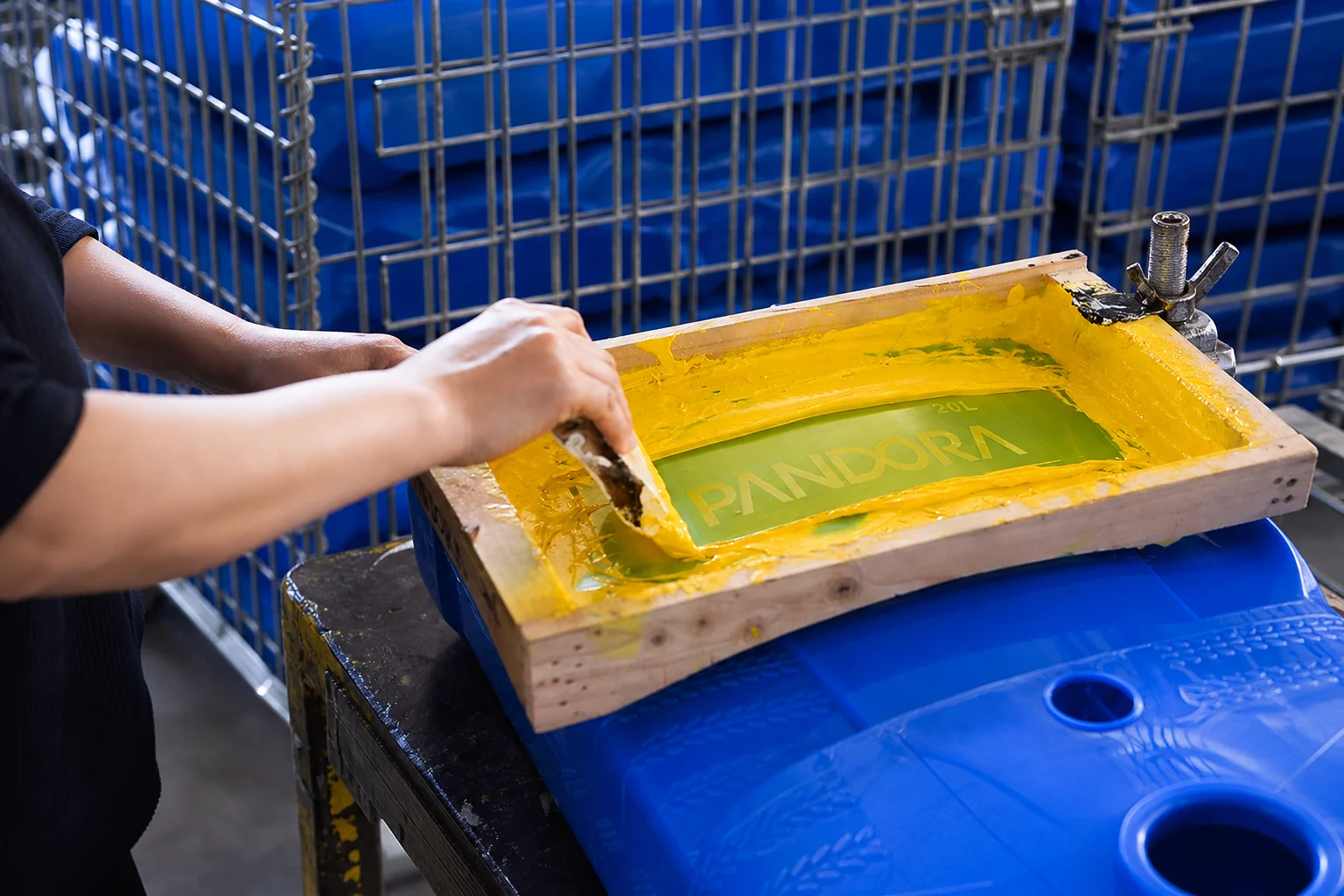
Manufacturing Partner
Why Choose Pandora

Professional sprayer manufacturer with years of OEM experience
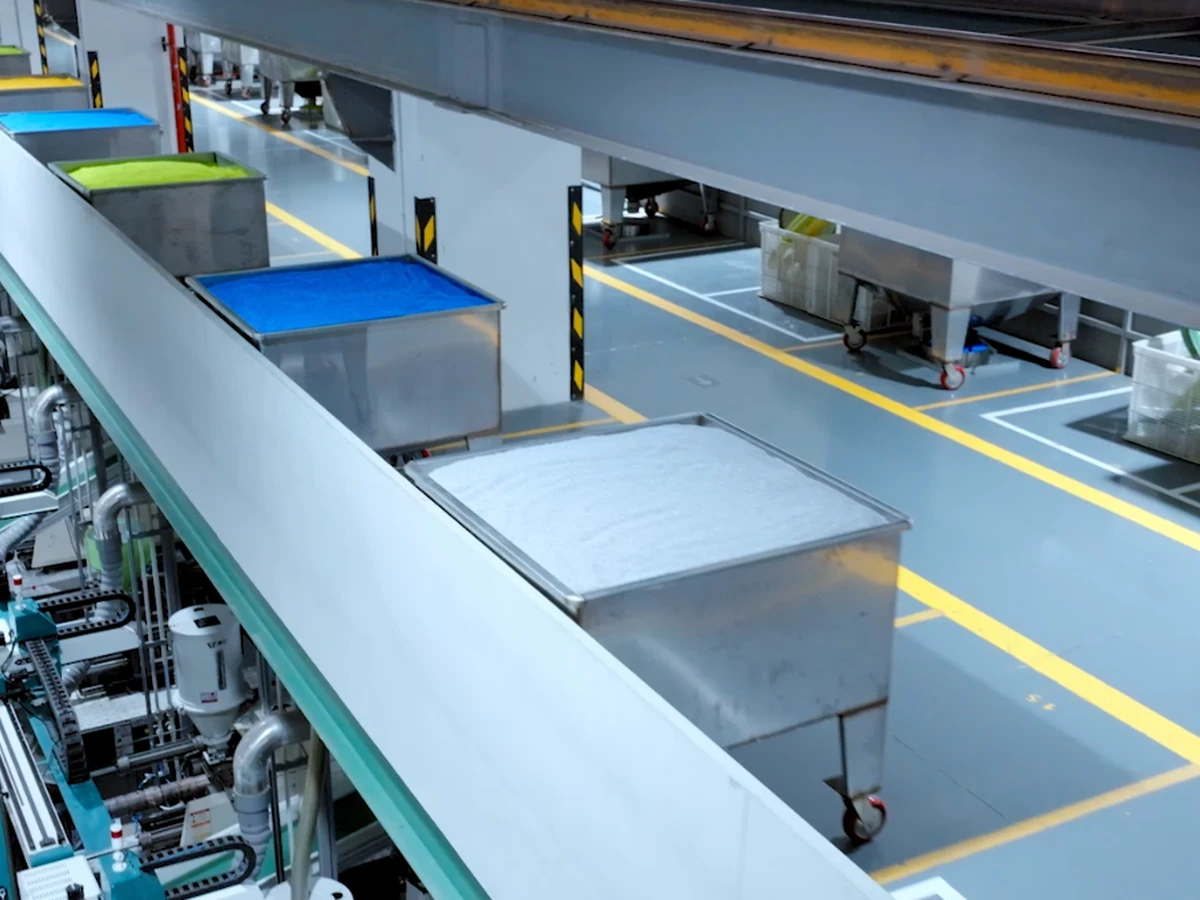
Stable production capacity for large-volume orders

Strict quality inspection throughout production
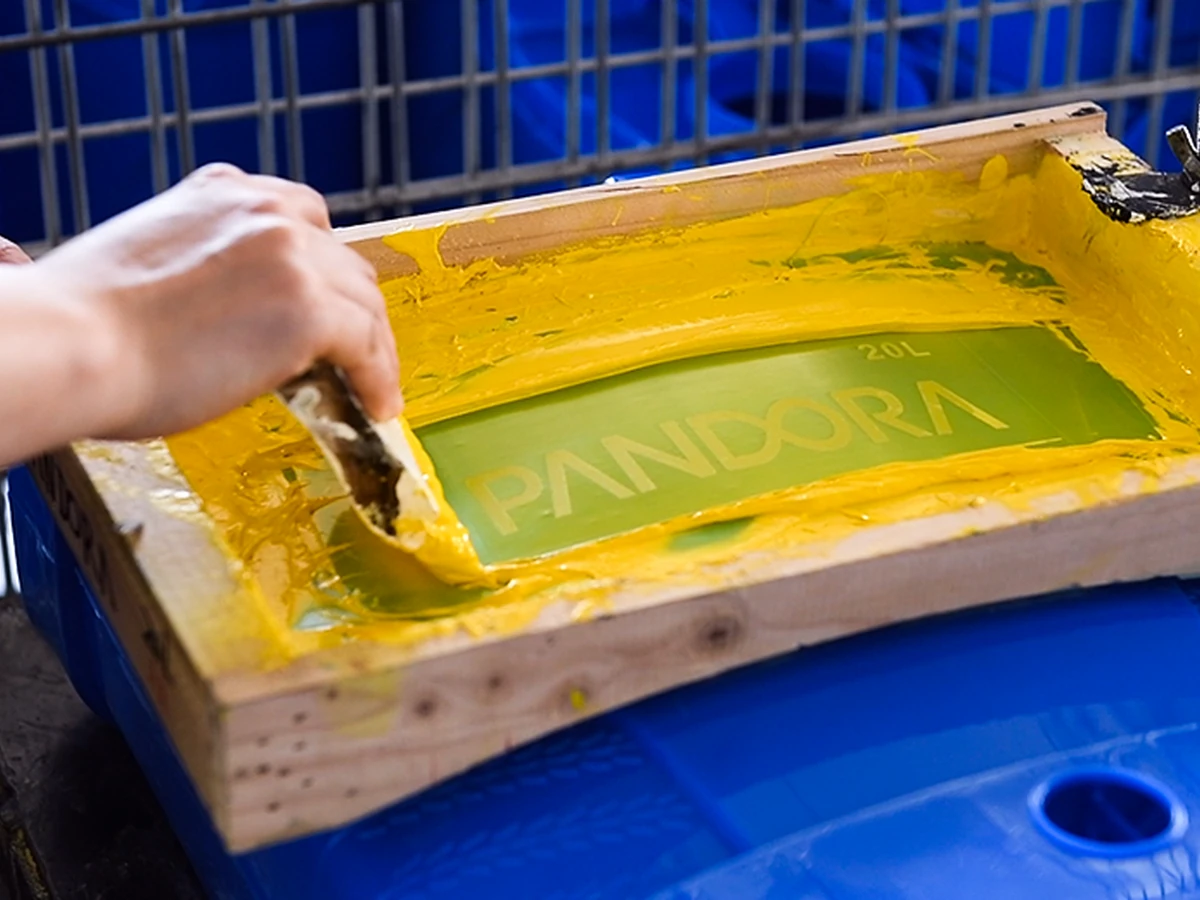
Flexible product customization
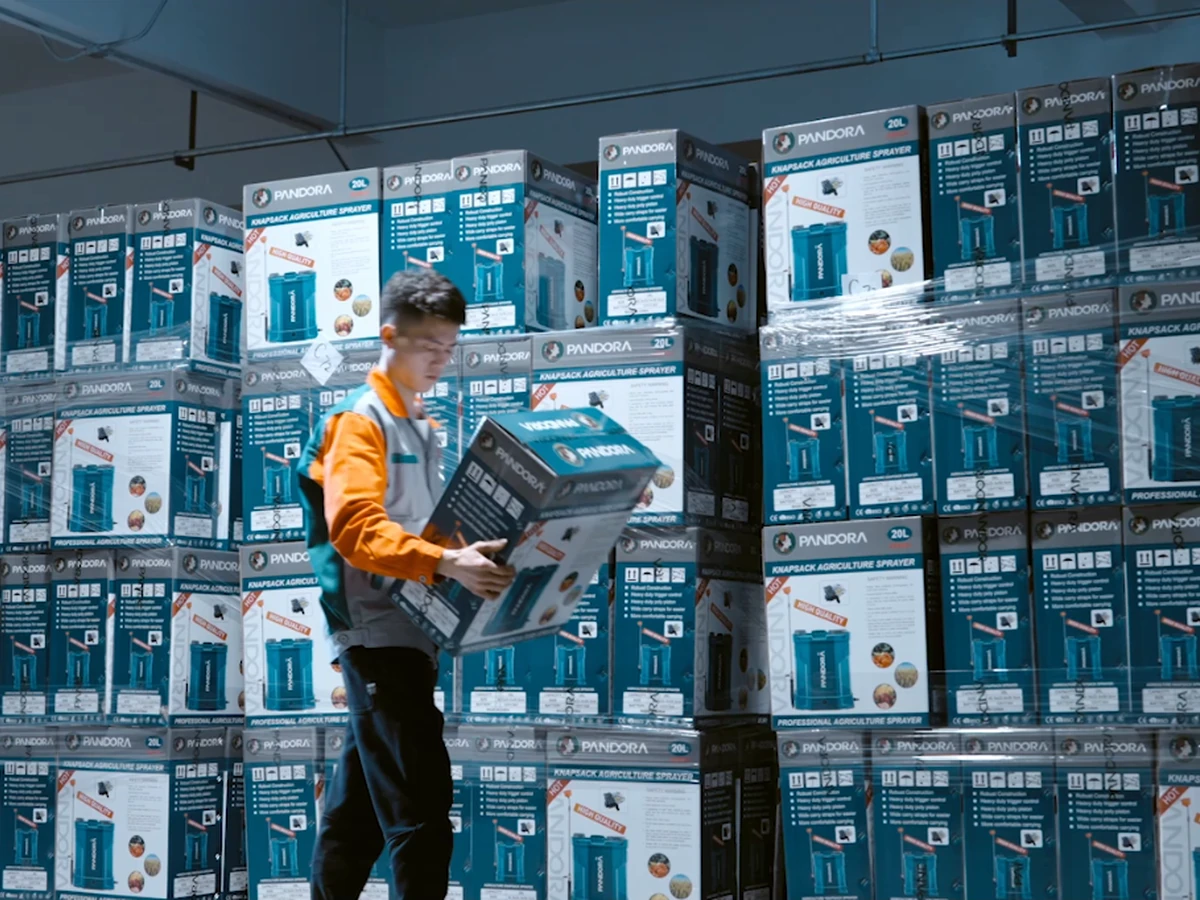
Reliable delivery and export support
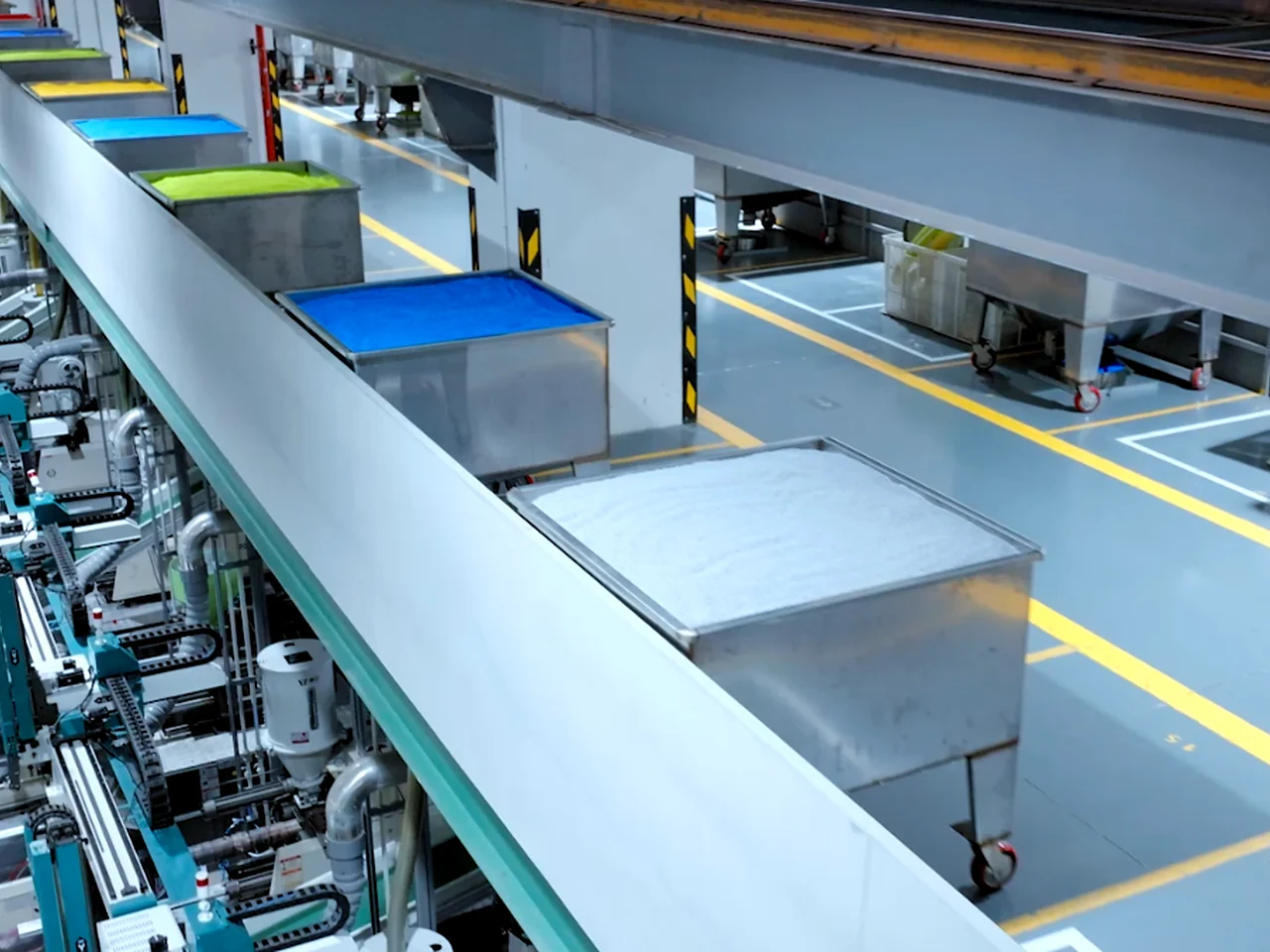
Complete spare parts supply

Dedicated technical and sales support
FAQ
What is reinforcement rib drip tape, and how is it different from single-wall tape?
It is a double-layer tape: the inner wall conveys water, while the outer layer carries reinforcement ribs formed in the same pass. In single-wall tape, one thickness of plastic has to hold pressure and survive handling at the same time; here the two jobs are separated, so a localised load spreads along the pipe instead of bursting one spot.
Can a thinner wall really match a thicker single-wall tape?
Compare structure against structure, not mil against mil. The ribs carry part of the working load, so the wall between them can be thinner for the same duty. When comparing quotations, confirm the unit first — millimetres and mils describe different ranges — and judge price per metre against your actual laying conditions, not against thickness alone.
How do I choose emitter spacing?
Spacing follows the crop, the bed and the soil — sandy ground and close-row crops take closer spacing. Across this range, flow and spacing are set so output per metre of line stays in a narrow band, so once the crop requirement is set, the water duty per metre is already balanced. Wall thickness is a separate decision that follows ground conditions and handling.
What is the minimum order quantity, and can we test a sample roll first?
Sample rolls are available for bench testing before container commitment — run one-minute flow against the rated value and a peel check on the layer bond. Container orders support mixed wall gauges and spacings in one load. Contact us with your target specification for roll lengths and loading quantities.
Related Products

Direct Factory Support
Ready to Partner with Us?
Share your purchasing target or custom needs. Our dedicated technical team will prepare complete product matching and competitive factory quotation support for your project.
- Product Matching
- OEM/ODM Support
- Export Coordination