Which Drip Tape Structure Fits Your Market: Inline Patch or Labyrinth Channel
Published
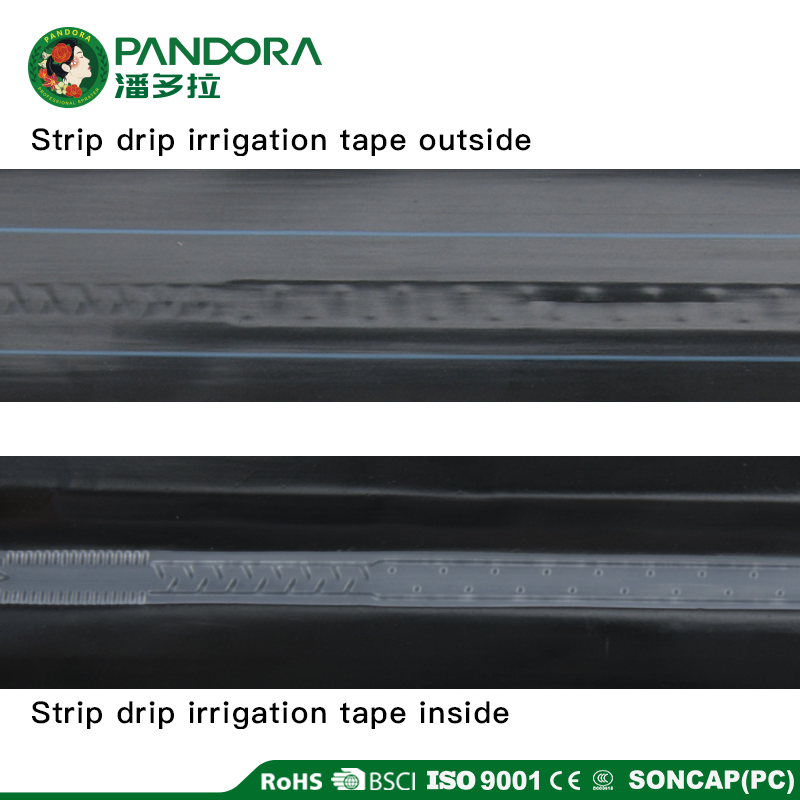
A buyer sends two photos of drip tape and asks why one costs more. The photos look the same because the difference is not on the surface — it is inside the wall. One roll carries a zigzag channel formed into the tape itself; the other carries a small flat emitter welded inside. Both are drip irrigation tape, both work, and both sell. The question is which structure belongs in front of which customer, and how to stock the pair without doubling your catalogue.
The Difference Your Customer Cannot See
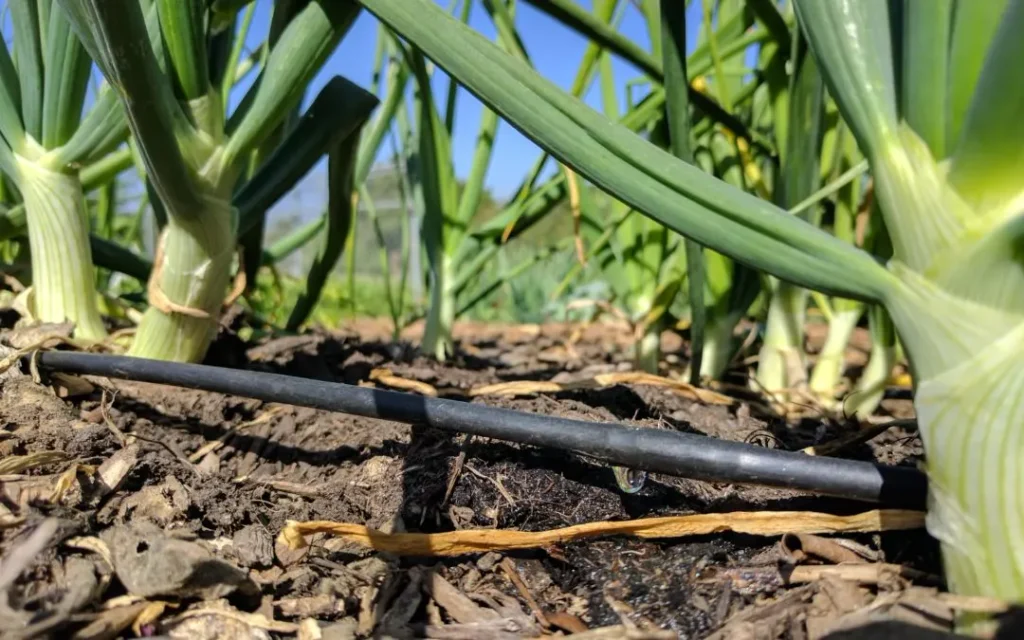
Structural descriptions get technical fast, so keep the explanation at shelf level. Extension literature draws the line this way: an emitter can be a short component welded to the inner wall, or a long water path that is part of the tape itself. The first is the inline patch drip tape; the second is the labyrinth channel drip tape. That is enough for a sales conversation. What follows is where each one actually gets specified.
| Inline patch drip tape | Labyrinth channel drip tape | |
|---|---|---|
| Where the water path sits | Separate flat emitter welded inside the wall | Channel formed into the tape itself |
| Diameters you can offer | 16 mm and 22 mm | Single standard diameter range |
| Working pressure | Standard tape range | 0.8–1.0 bar |
| Filtration requirement | 120 mesh | 120 mesh |
| Identification aid | Patch color can be customized by model | Roll label and print |
| Price tier | Higher per meter | Lower per meter |
| Strongest customer fit | Mixed crops, long runs, multi-zone farms | One-season field crops, greenhouse budgets |
Open-Field Seasonal Growers
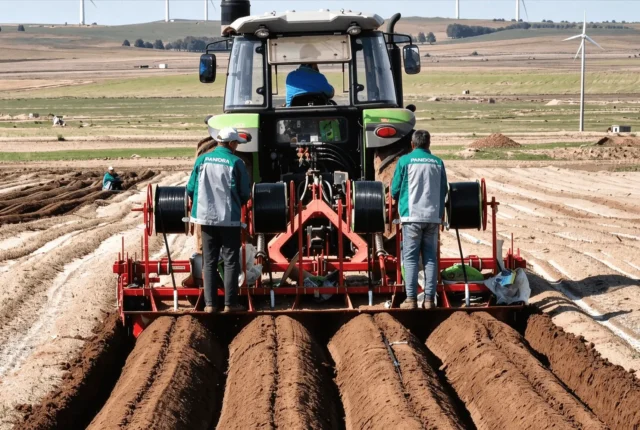
Corn, mulched vegetables, cotton, onions on beds — the customer who lays tape in spring and pulls it after harvest. Cost per season drives the decision, and the labyrinth structure answers it: no separate emitter to mold and bond means a lower price per meter for the same job. The tape runs at 0.8–1.0 bar, which suits the pumps these growers already own, and the light rolls feed both machine layers and hand crews. This is the volume product in most agricultural markets, and the one that opens the account.
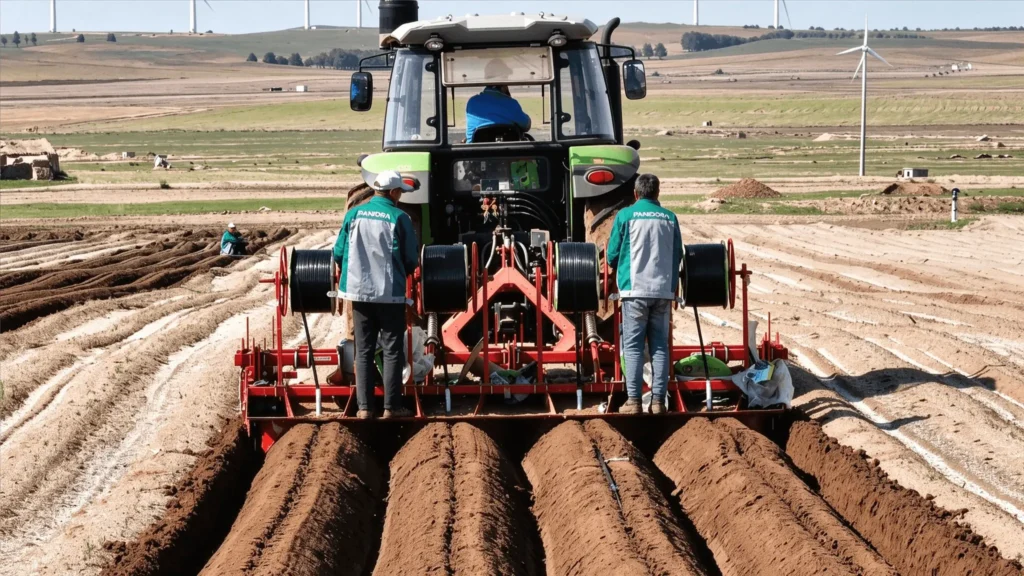
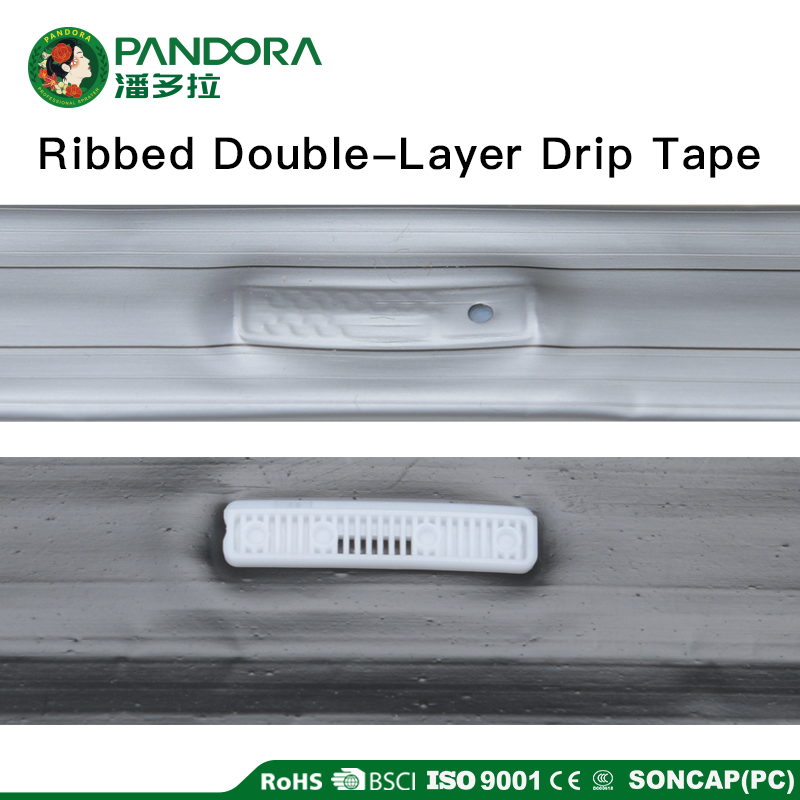
Where the same customer farms rough ground — stubble, stones, machine retrieval — the double-layer reinforcement rib drip tape covers the same laying routine at a higher wall grade. Keep it as the upsell, not the opening offer.
A two-hectare plot and a twenty-hectare block buy the same tape; what changes is the roll count, not the structure. That is why labyrinth tape scales from smallholder plots to contract farming without a spec change — a useful line when one distributor serves both ends of the market.
Greenhouse and Low-Pressure Growers
Greenhouse buyers rarely have high pressure at the bed. They run small pumps, header tanks or gravity lines, and pressure is the constraint they complain about. Labyrinth tape’s 0.8–1.0 bar working range fits that reality without extra equipment, and the tape reroutes between crop cycles in minutes. A common case: six houses on one tank, each on its own valve, and the last house runs weak. With tape rated from 0.8 bar, the fix is usually zone scheduling rather than a bigger pump — advice that is worth more than the tape margin. For a dealer, this is the same SKU serving a second customer type: one structure, two markets, no added stock complexity.

Mixed-Crop Farms and Long Rows
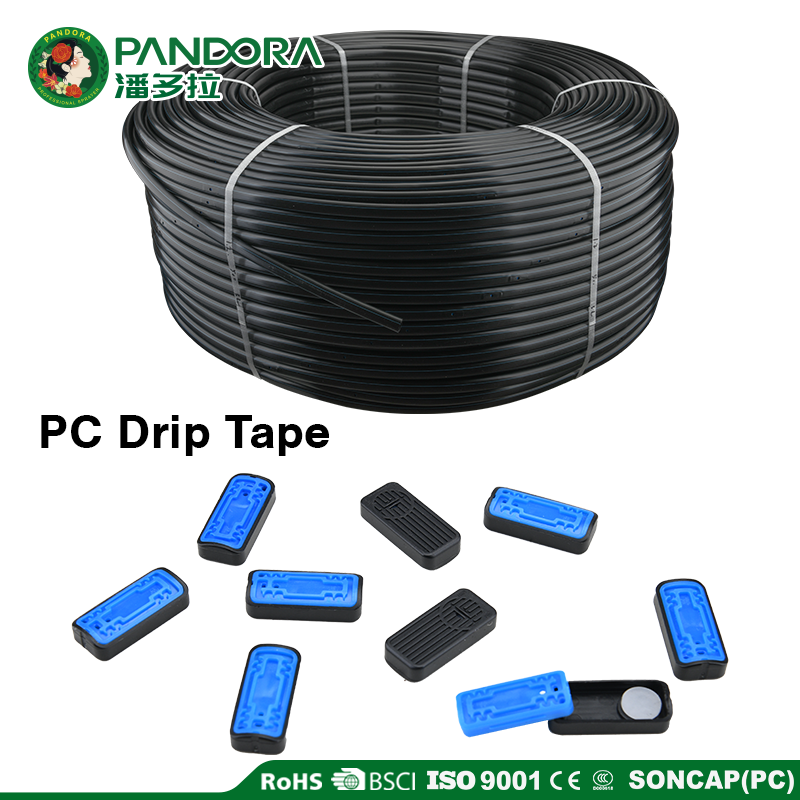
This is where the patch structure earns its price. Two diameters do different work: 16 mm keeps short beds and tight headland turns manageable, while 22 mm carries water further along a long lateral with less drop at the far end. On a farm growing peppers, greens and seedlings in the same season, color-coded patches let a supervisor confirm at a glance which roll waters at which rate — and stop the classic error of connecting a high-flow roll to a seedling bed. Sell this customer the patch tape, and sell the color system with it: it is the reason they will not switch back to unmarked rolls.
Stocking Both without Doubling Your Catalogue
Two structures do not mean double the SKUs. In practice, most dealers carry labyrinth tape in the two or three wall grades their field customers actually buy, and patch tape in the two diameters with the color set that matches their market’s crop mix. Color coding does the work that printed labels cannot: warehouse staff pick the right roll without checking a spec sheet.
Positioning matters more than depth. In a market where drip tape is still sold as a commodity, lead with labyrinth tape — it wins on price and covers the volume customer. Introduce patch tape as the answer to a specific complaint: “my beds are different sizes”, “my rows are long”, “my crew mixes up the rolls”. A dealer who can name the situation sells the higher tier without arguing about price.
What to Ask Any Supplier before the Container
Structure sells the first order; consistency keeps the account. Three things are worth demanding in writing:
- Batch CV data. Pressure compensating and line-source emitters have a published uniformity benchmark — the NRCS microirrigation standard sets a manufacturing coefficient of variation below 0.07 for line-source emitters. Ask for the production batch figure, not the catalogue claim.
- Filtration guidance in writing. State agriculture guidance puts standard drip filtration at 120 mesh or finer. A supplier who ships tape without a filtration recommendation is handing your customer a clogging complaint in advance.
- Wall thickness in the unit your market quotes. Buyers in some markets read mils, others millimetres; university extension guidance puts common farm tape between 4 and 20 mil. A quote that mixes units creates disputes after the container lands.
Two Objections You Will Hear on the Shop Floor
“The patch tape costs more, so it must water better.” It does not water better; it fits differently. Both structures deliver water at the same 120 mesh filtration standard, and neither compensates for pressure. The patch tape’s premium buys diameters and identification, which matter to a mixed-crop farm and mean nothing to a cotton grower with 40 identical rows.
“Labyrinth tape clogs faster.” Structure is rarely the cause. Clogging follows water quality, filtration and flushing discipline. A patch tape behind a dirty screen clogs on schedule too. When a customer reports blockages, inspect the filter first, then the flushing routine, and only then the tape. This order protects your margin and your credibility at the same time.
Where the Two Structures Meet
Neither tape solves a pressure problem, and neither substitutes for filtration. On ground with real elevation change, pressure compensating drip tape is the third line to carry, and it belongs in the conversation whenever a customer farms slopes.
Two structures, three customer types, one container
PANDORA produces labyrinth channel and inline patch drip tape at the source factory, so a single order can be mixed by structure, wall grade, diameter and roll length — with patch colors matched to your model line.
Start with sample rolls of both structures, lay them with your own crew, then build the container around what your market actually asks for.
→ Request the structure comparison sheet and a mixed sample box
FAQ
In a new market, which structure should I lead with?
Lead with labyrinth tape unless your customer base is already mixed-crop or greenhouse-heavy. It carries the lower price point, matches the pumps field growers own, and covers the volume buyer who replaces tape every season. Patch tape follows as the second conversation, once a customer describes a layout problem rather than a price problem.
Can either structure handle fertigation or reclaimed water?
Yes, with the same condition attached: filtration and flushing decide the outcome, not the structure. Fertigation and reclaimed water raise biological and chemical load, so specify 120 mesh or finer, flush laterals on a schedule, and be honest with the customer that no emitter design replaces water treatment.
Turn Insight Into Action
Need Product Recommendations for Your Market?
Share your target crop, product category, order quantity, packaging needs, and OEM/ODM goals. PANDORA can help prepare a practical sourcing route.